


The 2020s aren’t cheap.
Retail C-suites have faced high costs and high anxiety due to pandemic-driven e-commerce investments, inflation and tariffs, all of which squeezed margins.
Retail media offered a welcome solution by changing the economics of retail.
Retailers evolve as merchants selling products to consumers to also being media companies selling advertising services to brands who seek their customers and rich loyalty data. Suddenly retailers felt relief from new topline growth to protect margins and brand advertisers gained efficient targeting to reduce ad waste.
The structural changes that underpin retail media mean media and ad revenue are no longer exclusive to giants like NBC and CNN. Retailers can also get in on the advertising action.
Media’s evolution profoundly impacts retail
Let’s take a sec to marvel at how retail and media are entwined now compared to 25 years ago.
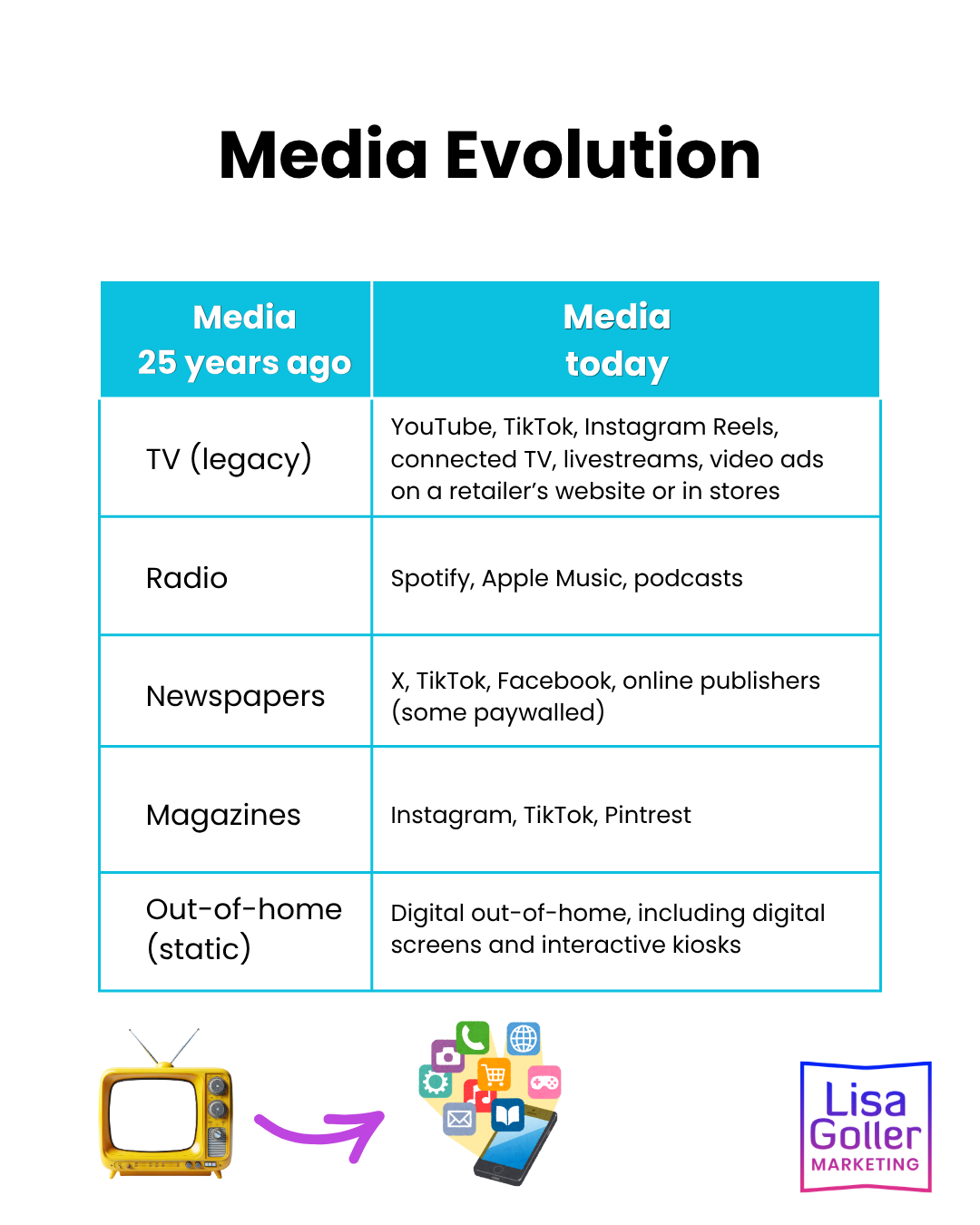
When I worked in advertising strategy, brand advertisers’ media options were comparatively limited. The path to purchase took an average of 8 brand touchpoints before a customer actually bought the product being advertised.
Media evolution led to greater fragmentation, digitization, personalization and monetization
Now legacy media is in decline. Today’s increasingly integrated structure aligns retailers, brands, agencies, tech providers, media platforms, content creators and communities.
Today we have:
🛍️ Amazon shopping on YouTube
🛍️ YouTube Shopping creators tagging Amazon products in Shorts, long-form videos and livestreams
🛍️ Creator commerce evolving into a measurable shopping channel
🛍️ A path to purchase that can now take mere seconds as with TikTok Shop
As retail media continues to evolve to protect retail margins, here are 3 growth drivers to watch.
Non-endemic brands grow the revenue pie
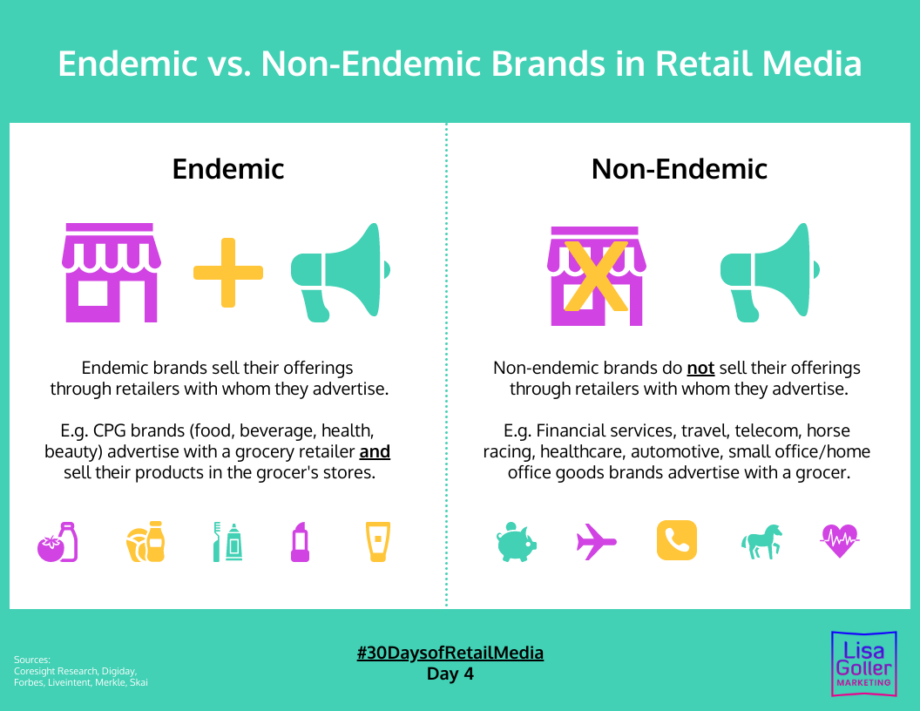
More retailers, including Walmart and Home Depot, are opening their retail media networks to brand advertisers beyond their product vendors to also welcome brands that do not sell on their shelves.
What’s the difference between endemic brands and non-endemic brands?
🛍 Endemic brands sell their offerings through retailers with whom they advertise
📣 Non-endemic brands don’t sell their offerings through retailers with whom they advertise
Non-endemic brands are retail media money makers because they allow retailers to expand their audience by attracting advertisers beyond consumer goods brands.
Non-endemic brands represent a source of net-new revenue
For instance, a grocery retailer’s audience for advertising extends beyond its food and beverage vendors to span categories like financial services, insurance, travel and quick service restaurants.
Retailers earn high-margin advertising revenue across touchpoints like their websites, mobile apps, in-store digital screens and checkouts.
As retailers evolve as media companies, 53% of U.S. brands take advantage of first-party data and retail media opportunities with retailers that don’t carry their products.

Private labels push national brands to advertise more
We’ve developed a taste for private labels.
Private labels (like Amazon Grocery, Walmart’s Bettergoods and Target’s Good & Gather) keep growing in popularity:
🍎 3x faster growth rate for private labels vs. national brands
🍊 $283 billion in U.S. private label sales in 2025, a new record (accounting for 23.8% of unit share) while national brands declined in unit volume
🍋 94% of consumers say they’ll keep buying private labels even if inflation relents and grocery prices fall
🥝 85% of consumers say private label products match or outperform national brands’ quality
🍇 79% of senior CPG executives expect market power to shift further toward retailers over the next 2-3 years, driven in part by private label growth
Private labels are retail media money makers because their popularity forces national brands to increase their ad spend.
Advertising on retail media networks helps national brands improve their visibility and sales against store brands
If a consumer types “Greek yogurt” or “BBQ chips” into a grocery app, the retailer’s store brands increasingly dominate top organic results. More CPG brands now respond by aggressively bidding on sponsored product ads to make sure their goods stay competitive.
There’s an important nuance. Since retailers earn higher profit margins (often 25-30% higher) on their own brands compared to national brands, 60% of major retailers are experimenting with algorithms to blend retail media revenue from brand advertisers with strategic placements of their private labels.
Agentic advertising is a retail CFO’s fantasy
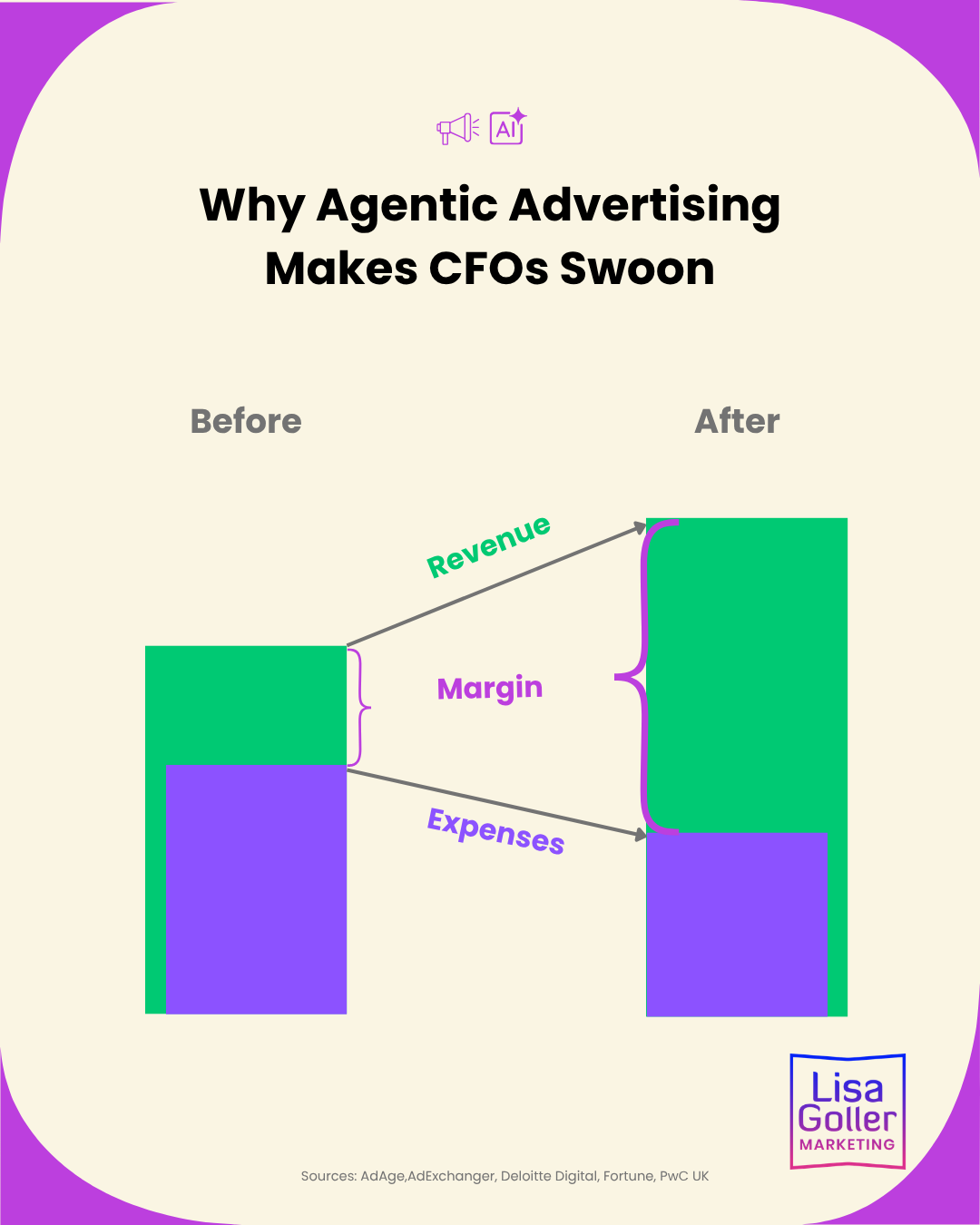
Agentic advertising protects retail margins by fusing AI and retail media.
Retail media helps retailers grow the top line with advertising revenue. Adding agentic AI solves the issues of unsold ad space and underpriced ad inventory by improving conversions and maximizing revenue per impression.
AI also makes ad buying and selling more efficient by replacing manual tasks with streamlined, automated processes. AI agents continuously optimize campaigns 24/7, helping retailers and brands save time and money.
Overall, agentic advertising is a retail media money maker because revenues increase, expenses decrease and margins improve.
Retail media and AI are a powerful combination representing the evolution of retail media. No wonder Walmart’s AI shopping assistant Sparky is testing sponsored prompts and brand integrations for AI-driven conversational ad experiences.
As retail media evolves, 3 growth drivers protect retail margins. Non-endemic brands grow retailers’ advertising businesses. Private labels are powerful substitutes that push national brands to advertise more. Retailers and brands embrace agentic advertising to grow their top and bottom lines.
What other retail media money makers would you add?
Sources:
AdAge, AdExchanger, Boston Consulting Group, Consumer Goods Tech, CPGmatters, Deloitte, Deloitte Digital, eMarketer, FMI, Fortune, Grocery TV, McKinsey & Company, Merkle, NIQ, PLMA, PwC UK, Retail Insider, Total Retail
Related:
Video: Endemic vs. Non-Endemic Brands
Why Finance is Driving Retail Strategy
Retail Media Sparks Restructuring